Why Kafue still matters

Why Kafue still matters

Written by Shearzone Safaris

A new chapter

Kafue National Park remains one of Zambia’s largest and least visited safari destinations. While other regions often attract more attention, Kafue offers a quieter, more expansive experience, defined by its scale and variety of landscapes. For those willing to travel a little further, it continues to provide a depth of safari that is increasingly difficult to find elsewhere, shaped as much by space and time as by wildlife itself.

A landscape defined by scale

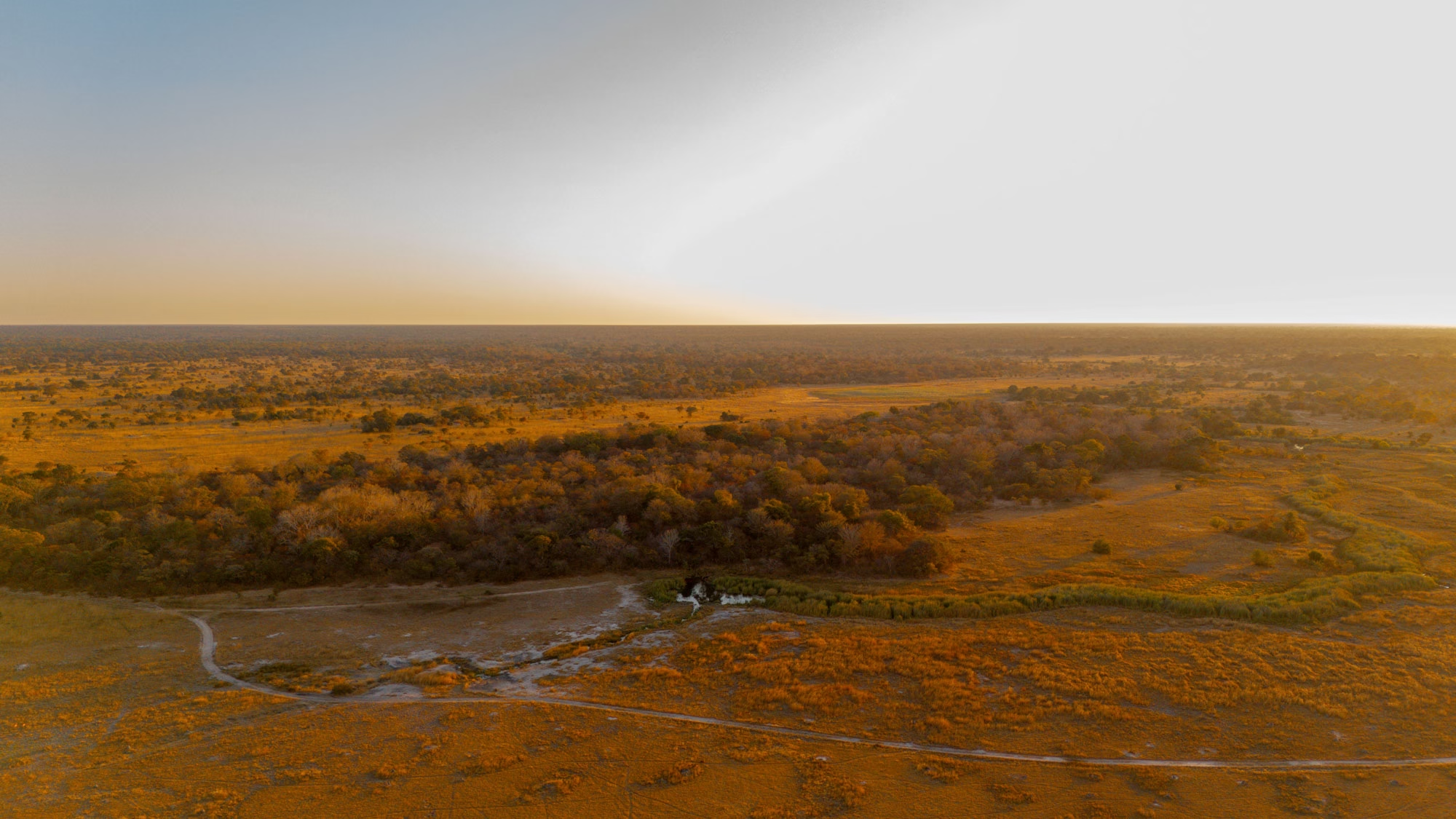
Kafue National Park is often described in terms of its size, but its significance lies equally in its diversity. Spanning a vast area, the park includes river systems, seasonal floodplains, woodland and open grasslands, creating a range of habitats that support a wide variety of wildlife.

This scale is not just geographical — it defines the experience itself. Distances are greater, landscapes more varied, and the sense of space more pronounced. Rather than moving quickly between sightings, time is spent within the environment, allowing the details of the landscape to emerge more gradually.
A quieter safari experience

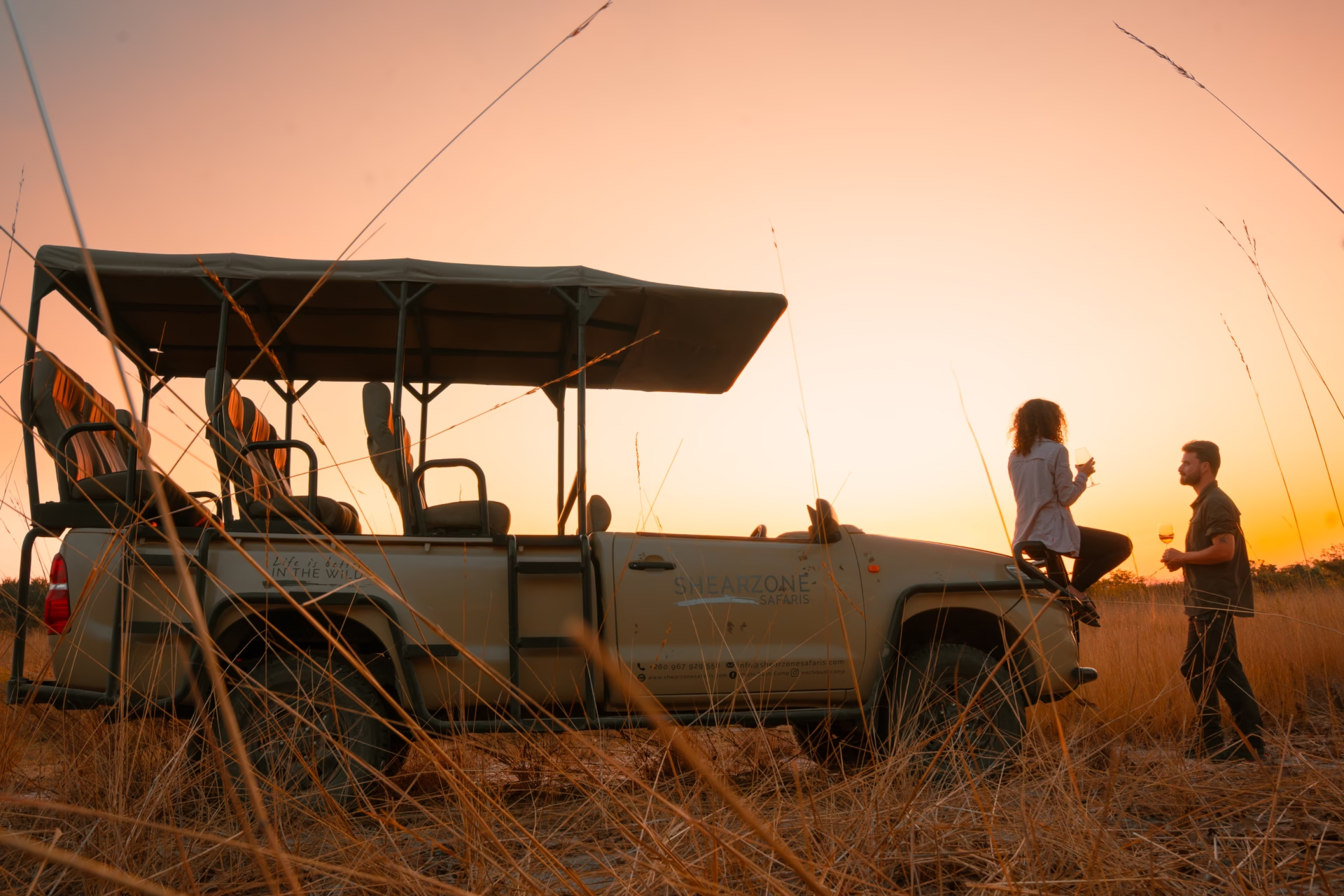
Despite its size and ecological importance, Kafue remains less visited than other safari regions in Zambia. This is partly due to accessibility, but it is also what makes it distinct. Fewer vehicles and lower visitor density create a quieter, more considered safari, where the pace is set by the environment rather than expectation.

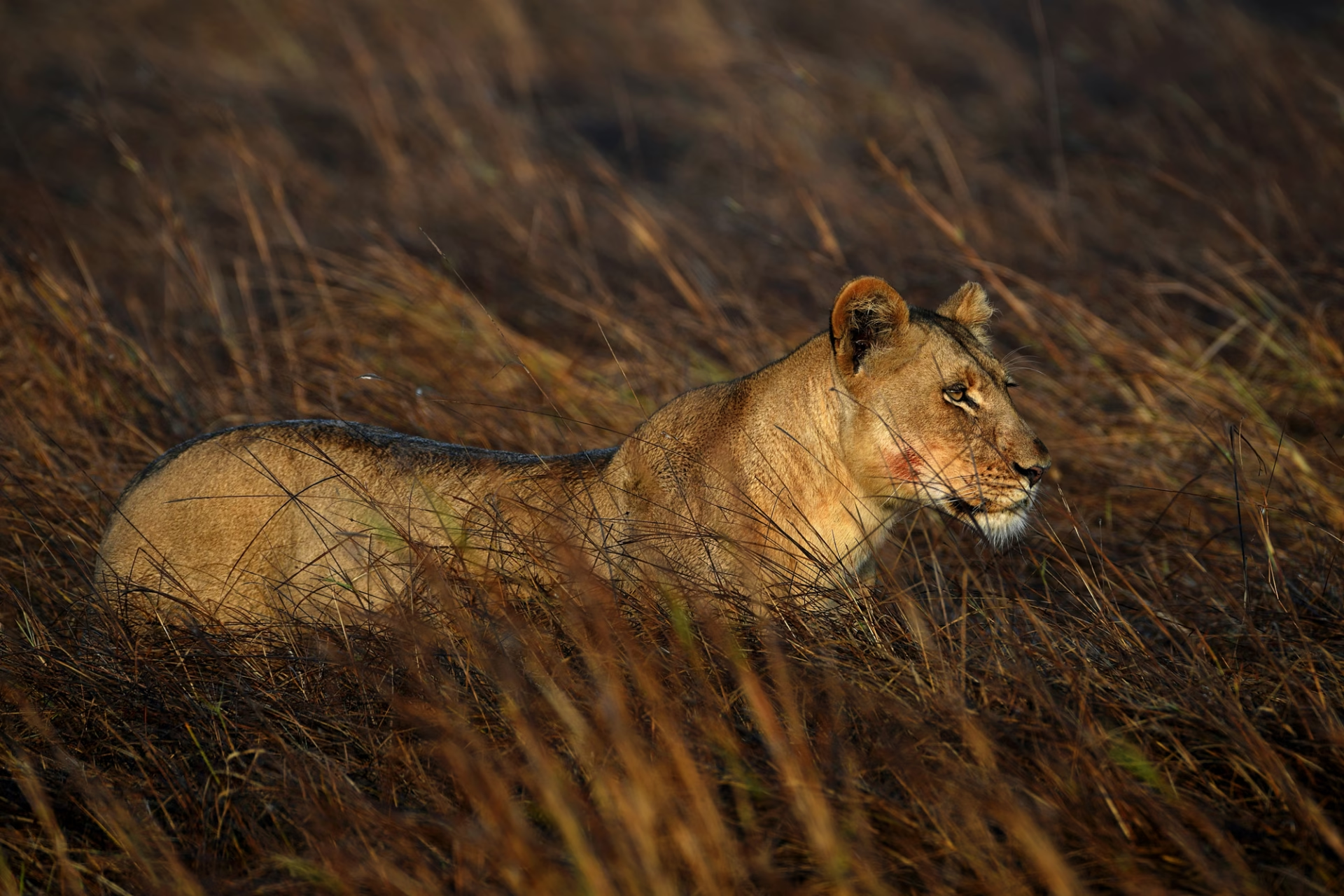
Wildlife viewing here is less about volume and more about context. Encounters often feel less crowded and more natural, with the surrounding landscape playing a greater role in shaping each sighting.

Seasonal variation and diversity

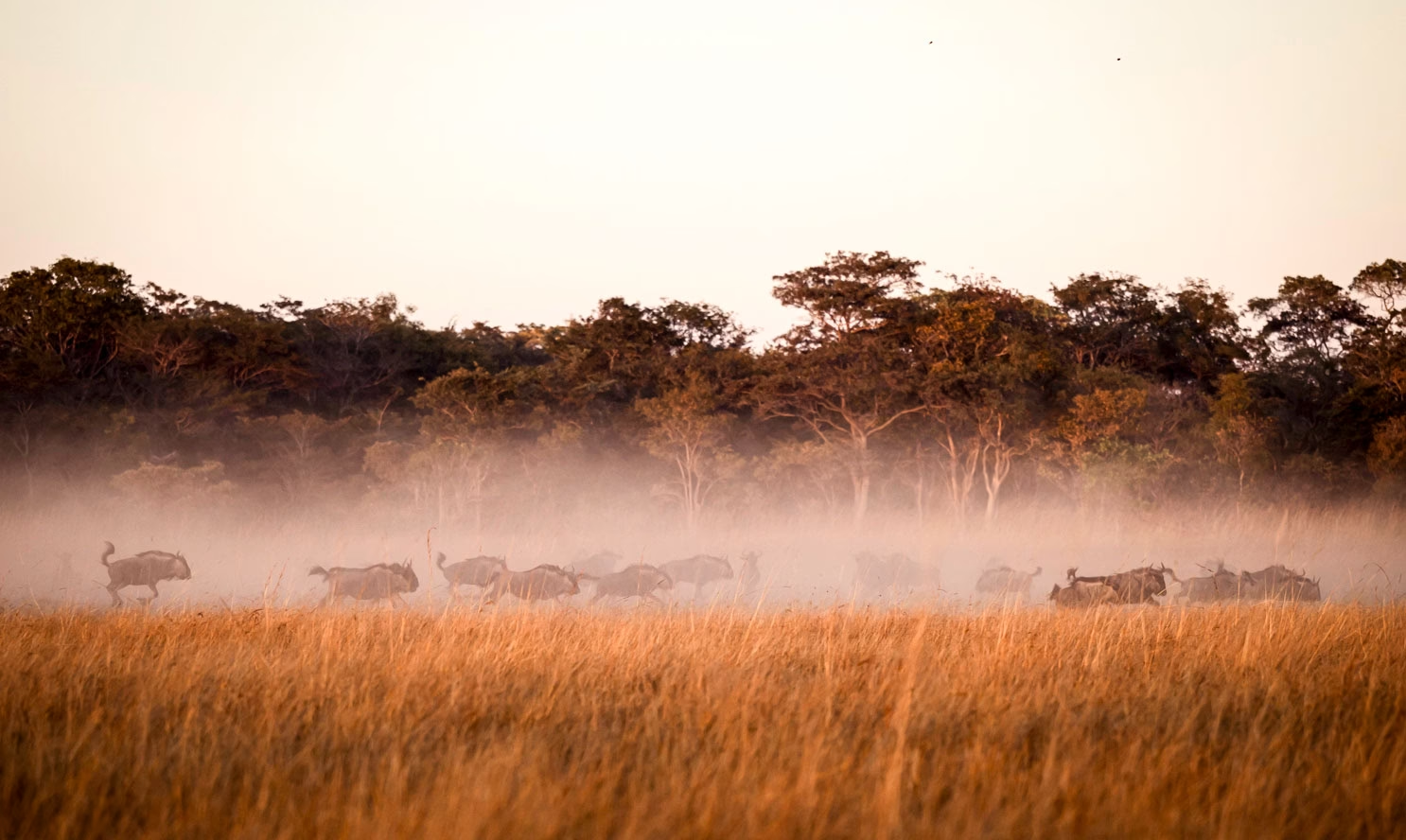
Different areas of Kafue offer contrasting experiences throughout the year. The Busanga Plains in the north are known for seasonal wildlife concentrations during the dry months, particularly for predators and large herds. In contrast, central areas provide a more varied landscape, with rivers and woodland supporting a broader range of species year-round.

This variation allows for a safari that changes with the seasons, offering different perspectives depending on when and where you travel within the park.

A place to slow down

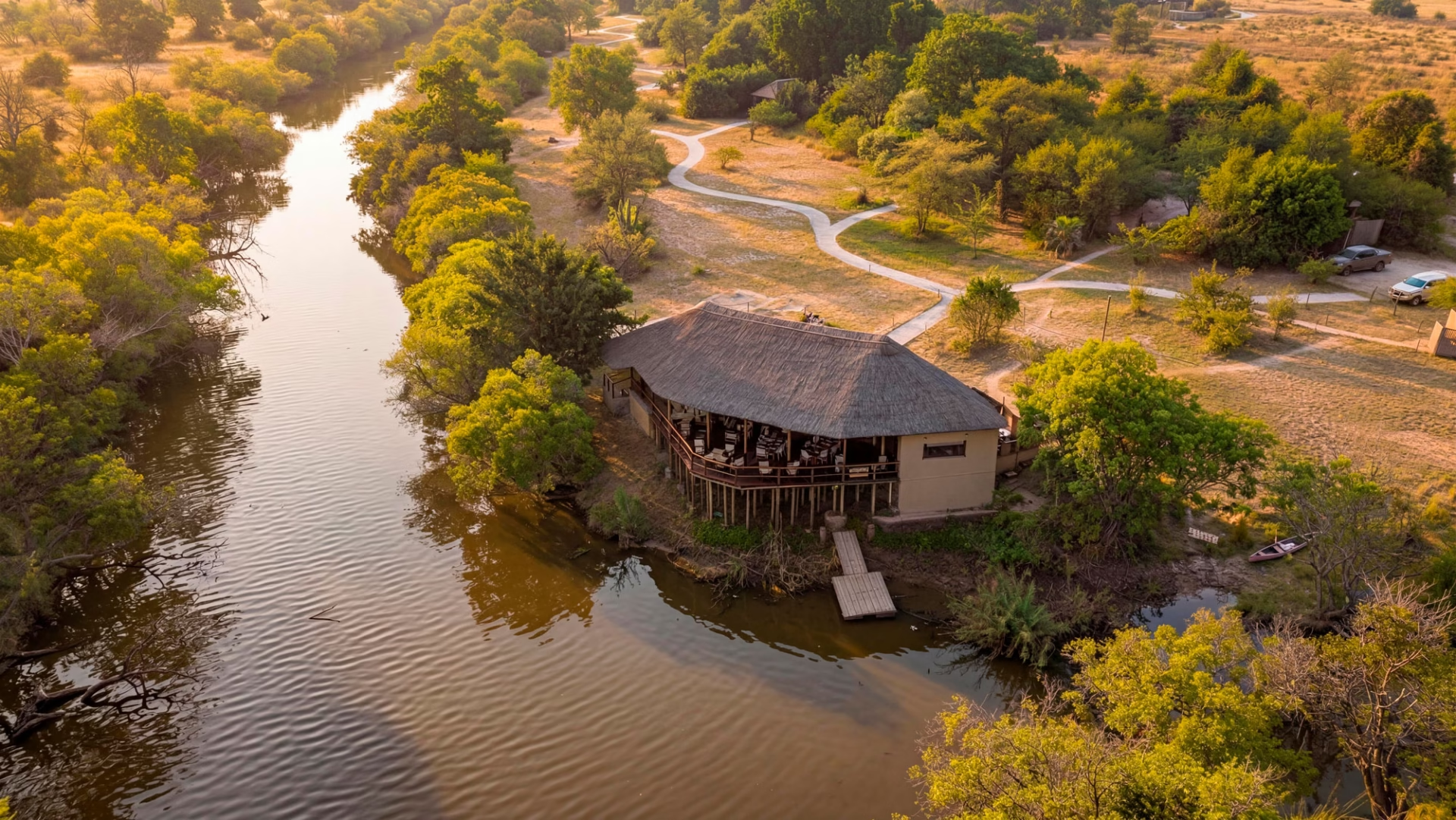
Mozhi Bush Camp sits within this broader context, positioned at the confluence of the Moshi and Lufupa Rivers. From here, the surrounding area can be explored on game drives, on foot or along the river, allowing for a more flexible and less structured experience.

For those looking beyond more established destinations, Kafue continues to offer something distinct: a quieter, more expansive safari, where the experience is shaped by the landscape rather than the need to follow it.

Read more about Mozhi
A new chapter for Shearzone Safaris
05.08.25

A new chapter for Shearzone Safaris

As Shearzone Safaris continues to grow, so too does the way its story is presented. Alongside the development of new camps, the brand and digital experience have been refined to better reflect what exists on the ground. This evolution is not about change for its own sake, but about bringing greater clarity and consistency to how the camps, their locations and the overall philosophy are communicated.

Read more
Nzovu Rundu: a new camp on the Lower Zambezi
05.08.25

Nzovu Rundu: a new camp on the Lower Zambezi

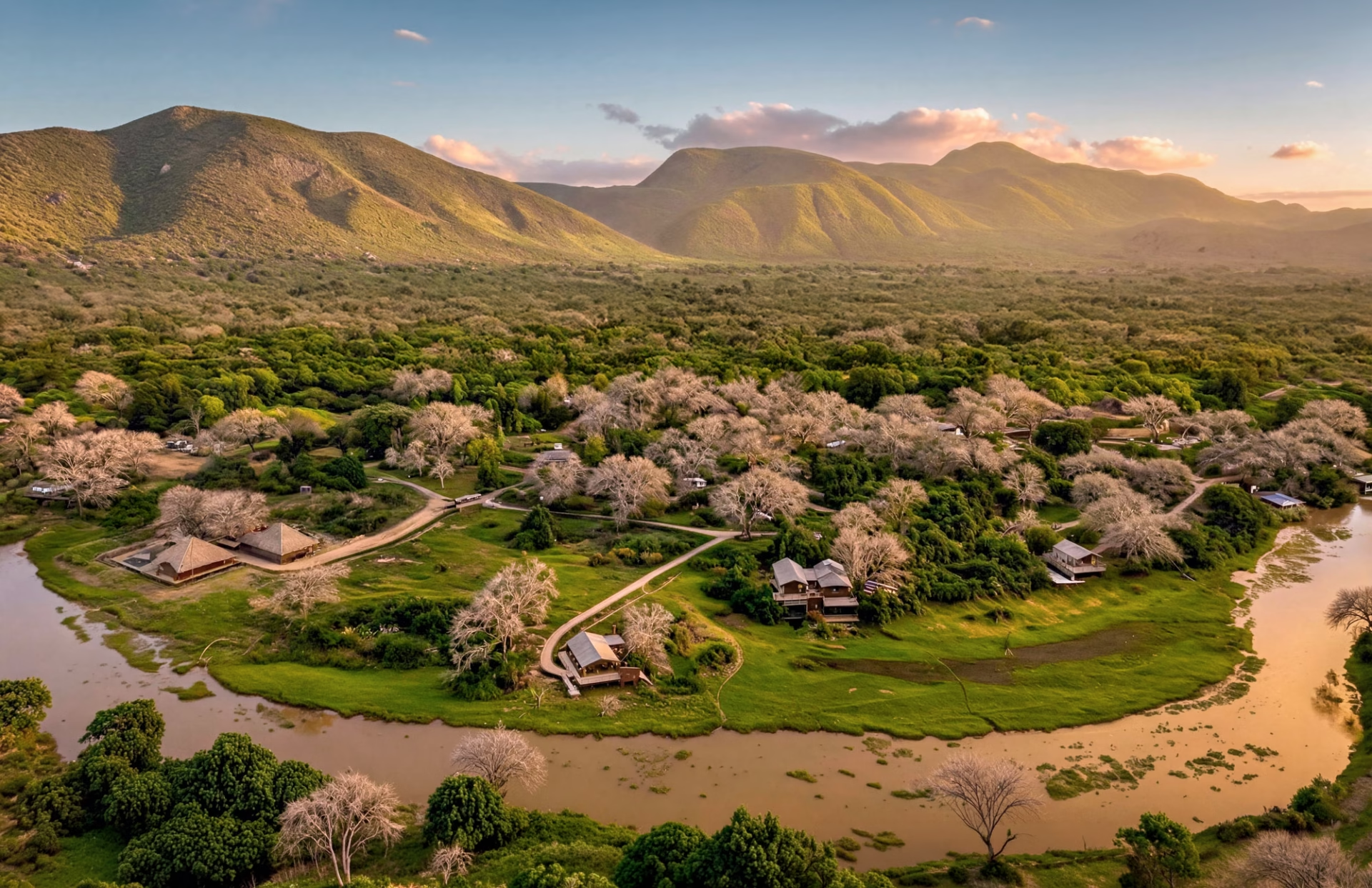
Nzovu Rundu marks the next step for Shearzone Safaris, extending its presence into the Lower Zambezi. Set along the Zambezi River, the camp builds on the approach established at Mozhi Bush Camp, with a focus on location, scale and a close connection to the surrounding landscape. As opening approaches, Nzovu Rundu introduces a new setting shaped by water, wildlife and a more varied pace of safari.

Read more